
Rochester Abandoned Subway: Hidden Underground History
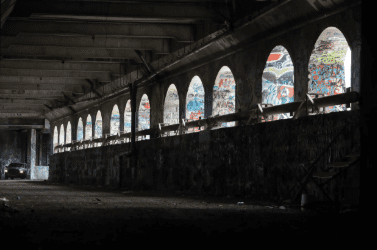
The Rochester Abandoned Subway is one of the most fascinating hidden landmarks beneath the city of Rochester. Once a functioning transit system, it now exists as a partially preserved underground corridor that reflects Rochester’s industrial past and evolving transportation history.
Originally built along the old Erie Canal bed, the subway operated from the 1920s until the mid-1950s before being abandoned and partially repurposed for modern infrastructure. Today, remnants of the system still exist beneath downtown streets, attracting history enthusiasts, urban explorers, and curious visitors.
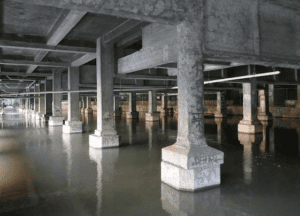
Table of Contents
- What is the Rochester Abandoned Subway
- History of the Subway System
- Why It Was Abandoned
- What Remains Today
- Underground Tunnels and Broad Street Area
- Urban Exploration and Safety Notes
- Nearby Attractions in Downtown Rochester
What is the Rochester Abandoned Subway
The Rochester Abandoned Subway refers to the former Rochester Industrial and Rapid Transit Railway, a light rail system that once ran through the city. It was built in the old Erie Canal trench and served both passenger and freight transport.
At its peak, it helped connect different parts of the city before declining mid-century as car travel increased.
History of the Subway System
The subway opened in 1927 and was designed to improve transportation efficiency by using the abandoned Erie Canal route. It stretched for about 7 miles through Rochester and included both underground and open-cut sections.
It was considered innovative at the time, featuring electric-powered railcars and integrated freight services. However, by the mid-20th century, ridership began to decline as automobiles and highways became more dominant.
Learn more about Rochester history:
https://www.cityofrochester.gov/
Why It Was Abandoned
The Rochester Abandoned Subway officially closed in 1956 after years of declining usage.
Several factors contributed to its closure:
- Rise of automobile transportation
- Expansion of highway systems
- Reduced passenger demand
- High maintenance costs
After closure, portions of the subway were filled in or converted into modern roadways, including sections of Interstate 490.
What Remains Today
Although most of the system is no longer visible, parts of the underground structure still exist beneath downtown Rochester. The most notable remaining section is located under Broad Street and nearby infrastructure.
Some sections of the tunnel have been preserved or reused for utilities, while others remain sealed or partially accessible through maintenance corridors.
Underground Tunnels and Broad Street Area
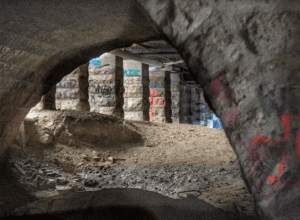
The most famous section of the Rochester Abandoned Subway runs beneath the Broad Street area, where parts of the original canal-based tunnel still exist.
This area is also known for:
- Graffiti-covered tunnel walls
- Historic railway remnants
- Concrete canal structures
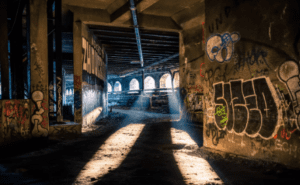
While visually striking, these areas are not officially open to the public and should only be viewed from permitted or safe vantage points.
Urban Exploration and Safety Notes
Although the abandoned subway has become a popular topic online, it is important to note that much of it is:
- Restricted access
- Structurally unstable in sections
- Not legally open for exploration
Visitors interested in its history are encouraged to explore official viewpoints and educational resources instead of entering restricted areas.
More historical details:
https://www.rochestersubway.com/
Nearby Attractions in Downtown Rochester
If you’re exploring the Rochester Abandoned Subway area, you can also visit nearby attractions such as:
- High Falls Gorge area
- Genesee Riverway Trail
- Downtown Rochester museums and cafés
The Rochester Abandoned Subway remains one of the most unique pieces of infrastructure in the city’s history. From its beginnings as a canal-based transit system to its transformation into a hidden underground relic, it reflects how Rochester has evolved over time.
While much of the system is no longer visible, its legacy still runs beneath downtown streets; offering a fascinating glimpse into the city’s industrial past and transportation heritage.